Artifact Stewardship & Cultural Return
Meherrin Indian Tribe (Kauwetsʔa·ka – People of the Water)
This page serves as a respectful point of contact for individuals, families, collectors, institutions, historical societies, and museums who hold artifacts, cultural materials, or ancestral objects connected to the Meherrin Indian Tribe of North Carolina, or to lands historically and presently occupied by the Meherrin people.
Our goal is not accusation, pressure, or confrontation, but relationship-building and the respectful stewardship of Meherrin cultural heritage.
What Types of Materials May Be Relevant
This may include, but is not limited to:
- Pottery vessels and ceramic fragments
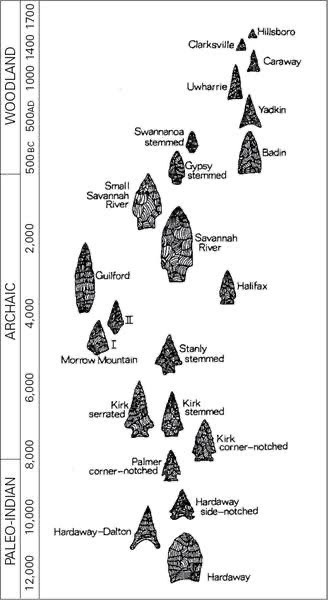
- Stone tools and lithics
- Shell artifacts and ornaments
- Wampum and beadwork
- Wood, bone, antler, or copper objects
- Ceremonial or ritual items
- Burial-associated objects
- Trade-era Indigenous materials
- River-recovered or land-recovered artifacts
- Items labeled as “unknown tribe,” “local Indian,” or “pre-colonial”
- Items attributed to colonial counties within Meherrin territory
Historical & Territorial Context
The Meherrin Indian Tribe has occupied lands in what is now northeastern North Carolina and southeastern Virginia for centuries. These territories include the present-day North Carolina counties of Northampton, Hertford, Gates, and Bertie, as well as neighboring Greensville County, Virginia.
Artifacts recovered from this region and neighboring counties may carry direct cultural affiliation with the Meherrin people, even when records are incomplete or have been lost over time.
Voluntary Cultural Return, Donation & Shared Care
We respectfully encourage individuals and institutions to consider donating culturally affiliated items to the Meherrin Indian Tribe so they may be preserved, interpreted, and cared for within a Meherrin-led museum and cultural collection.
Donor Recognition
Donors may choose to be publicly recognized or remain anonymous, according to their preference.
The Meherrin Indian Tribe gratefully acknowledges individuals and families who help preserve Meherrin history through the donation of artifacts and cultural materials connected to Meherrin territory.
Donors may be acknowledged through:
- Exhibit labels identifying donated items
- Recognition on the Meherrin Museum website
- Certificates of appreciation from the Tribe
- Inclusion on the Meherrin Museum Donor Recognition Wall
- Opportunities to share the history and story behind donated artifacts
Every contribution helps restore, preserve, and share the cultural story of the Meherrin people for future generations.
Respectful Invitation
If you hold items connected to Meherrin history or territory, we respectfully invite you to reach out.
This includes:
- Private collectors
- Families with inherited collections
- Landowners
- Historical societies
- Museums
- Universities
- Researchers
- Archaeological collections
All communication is treated with respect, confidentiality, and care.
Contact & Cultural Consultation
If you believe an item or collection may be culturally affiliated with the Meherrin people, please contact us at: